Your Cart is Empty



Think about how many wallets you've owned. The leather one that cracked at the fold. The cheap one that frayed. The "nice" one that still ended up a lumpy mess stuffed into your back pocket. Now imagine buying one wallet and being genuinely done — for decades. That's the quiet promise of a titanium slim wallet, and the reasoning behind it is more convincing than you'd expect.
A titanium slim wallet does two jobs and does both with quiet confidence: it holds your essential cards and cash in the smallest possible footprint, and it shrugs off the daily abuse that turns ordinary wallets into sad, crumpled relics.
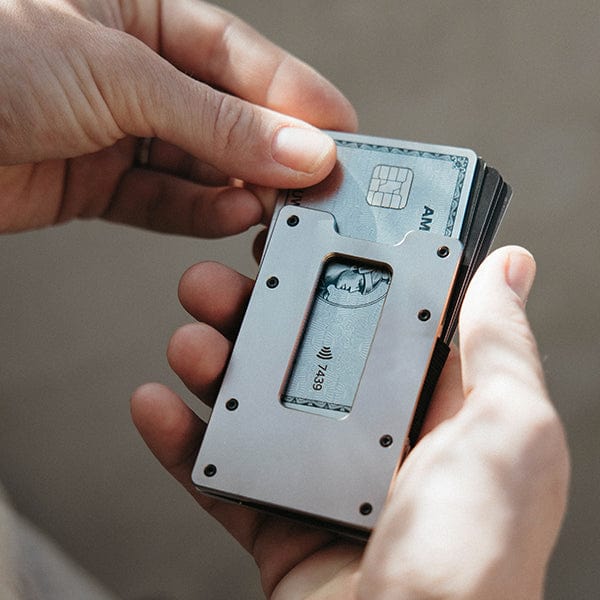
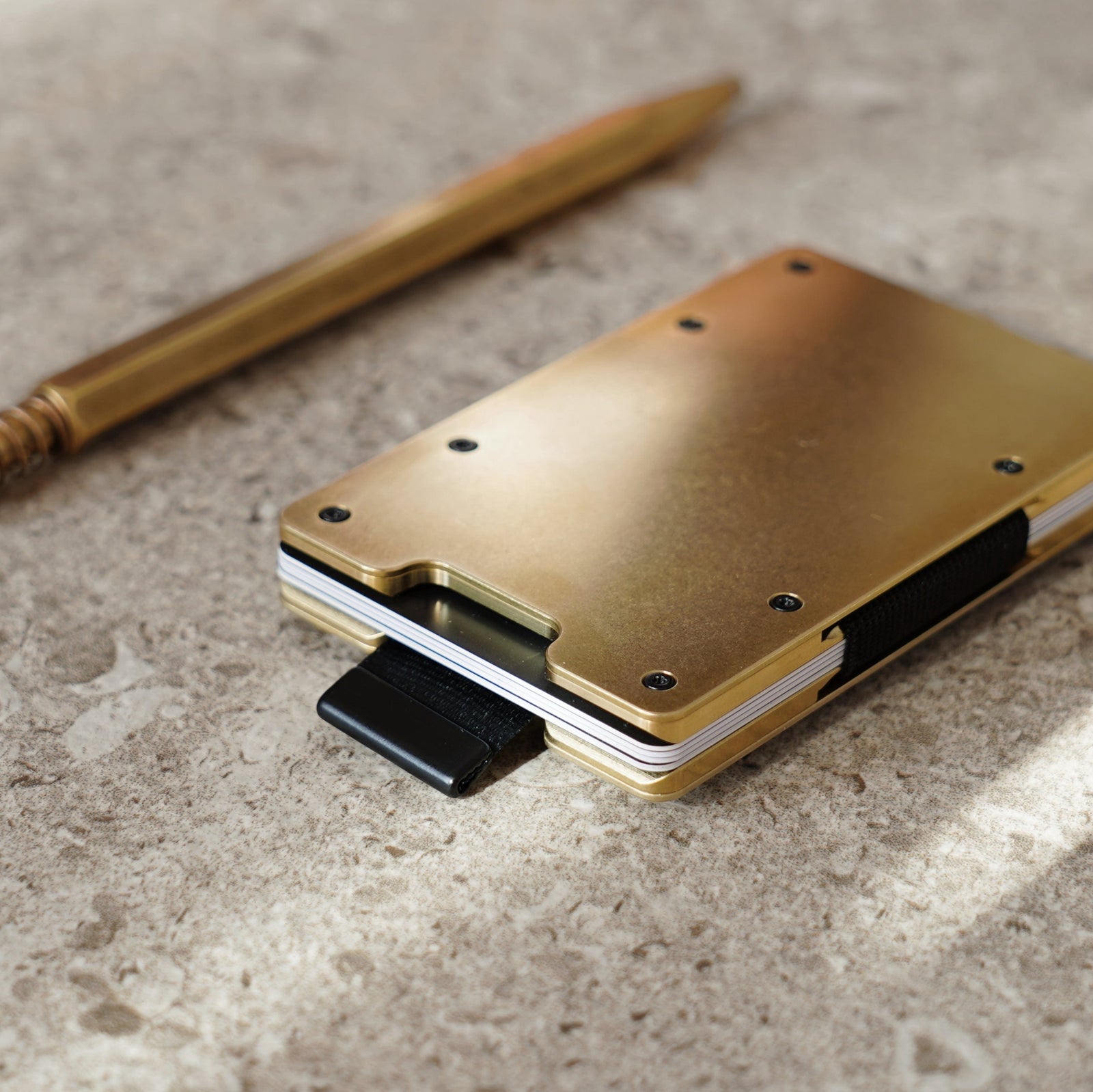
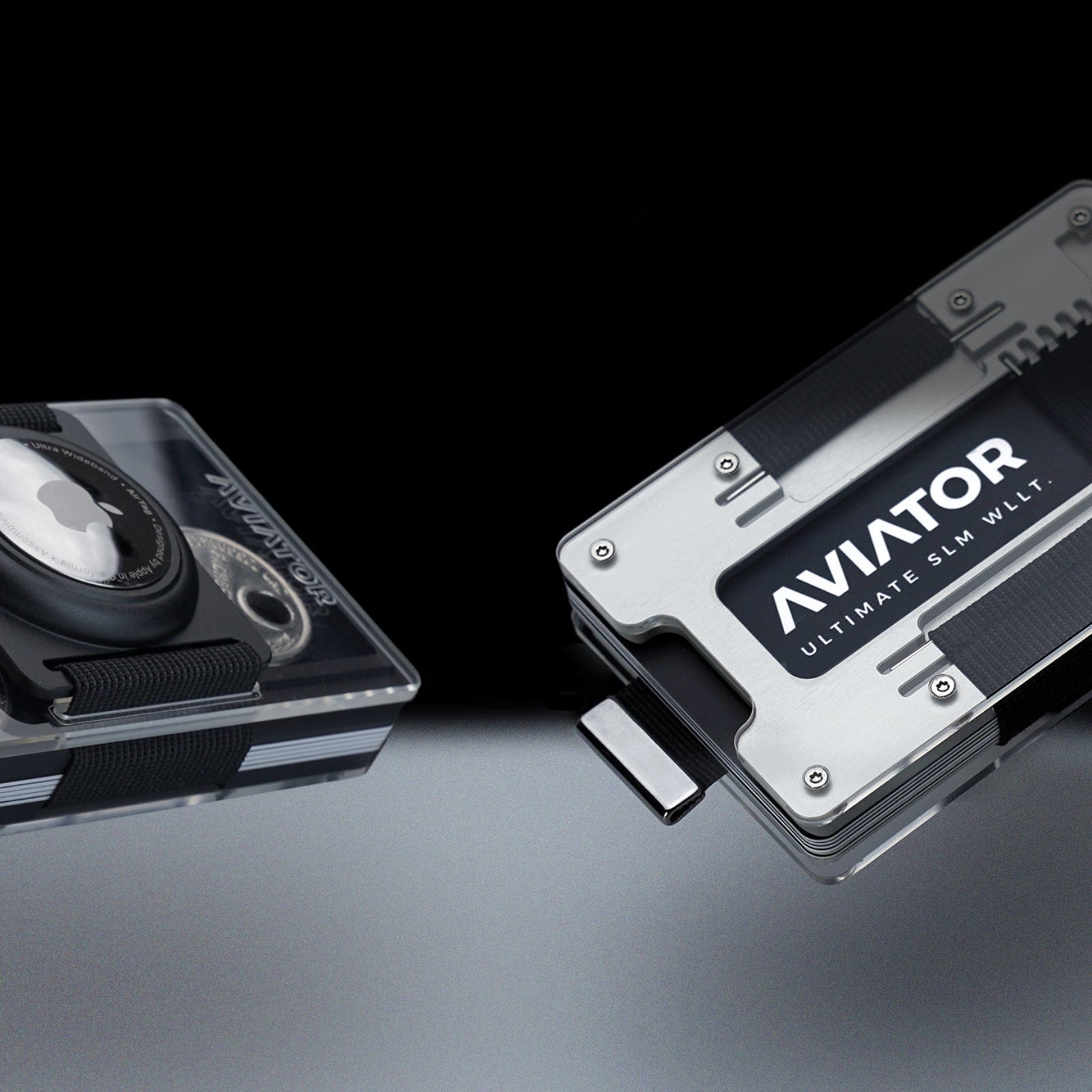
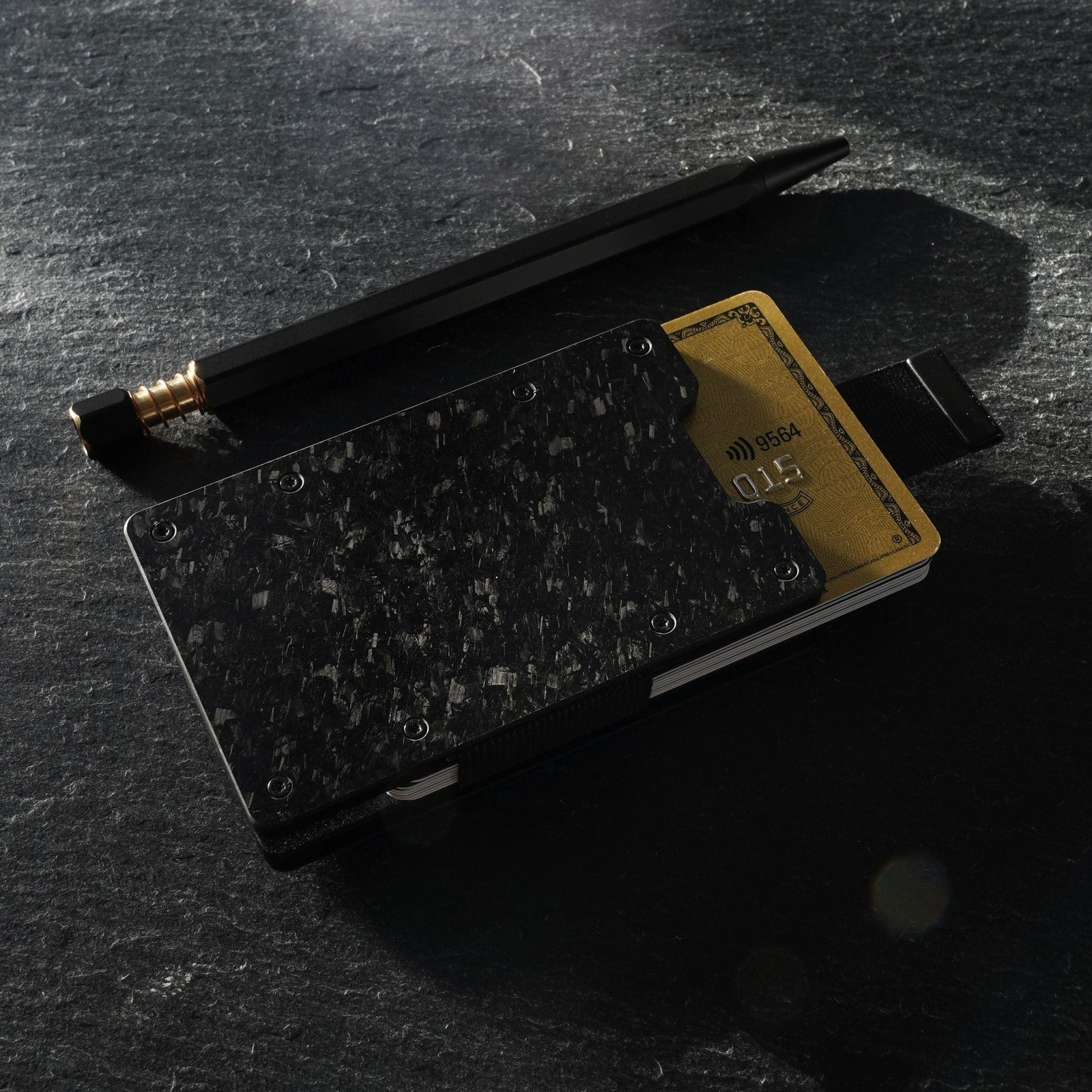
Instead of folding fabric and stitching around your cards, a slim titanium wallet wraps them in a precision-machined metal frame — two plates that grip your cards securely while staying barely thicker than the cards themselves. The result feels less like an accessory and more like a piece of engineering. And once you've carried one, going back to a bulging billfold feels a little like trading your smartphone for a brick.
Titanium isn't a marketing buzzword — it's element number 22 on the periodic table, named after the Titans of Greek mythology. Fittingly, it spends its career doing heroic things in brutal places: jet engines, spacecraft, deep-sea submarines, and surgical implants living inside the human body. So what's it doing in your pocket? Earning its keep, mostly.
Here's the headline trick. Titanium is about half the weight of steel, yet it offers comparable — sometimes higher — tensile strength. That "strength-to-weight ratio" is exactly why the aerospace industry is obsessed with it: every gram matters, and titanium delivers serious toughness without the bulk. Scaled down to a wallet, that means real protection for your cards in something that all but vanishes in your pocket.
Your cards spend their lives protected by the same metal trusted by jet engines and the operating room. Frankly, they've never had it so good.
This is the property that turns skeptics into believers. The instant titanium meets air, it forms a microscopically thin but incredibly stable oxide layer across its surface. That layer is what shields the metal from corrosion — water, saltwater, sweat, even many harsh chemicals bounce right off.
The genuinely clever part? If that protective layer ever gets scratched or damaged, it regenerates itself within seconds. Your wallet is essentially wearing self-healing armor. It won't rust, it won't tarnish, and a rainstorm or a sweaty gym session is a non-event. Try saying that about leather, which treats moisture as its mortal enemy.
One honest caveat, though: this self-healing is about the chemical oxide layer, not the metal's physical surface. A real scratch or scuff doesn't magically disappear — it stays put. The difference is that on titanium a scratch is purely cosmetic: it won't rust, spread, or weaken the wallet the way damage does on lesser materials. Over time those little marks simply become part of its lived-in character.
Titanium is one of the rare metals the human body simply accepts. Its oxide layer is chemically inert, so the immune system doesn't flag it as a foreign invader — which is precisely why it's the go-to material for hip replacements and dental implants. In wallet terms, that means it's hypoallergenic: no green-tinged fingers, no skin irritation from something you touch every single day.
There's also a sensory payoff that's hard to appreciate until it's in your hand. Titanium feels light yet substantial — never hollow or cheap. And unlike aluminum, which always feels cold to the touch, titanium quickly warms to your body temperature and has a smooth, almost silky surface. It's the kind of object you find yourself fidgeting with just because it feels good.
Let's not pretend aesthetics don't matter. Pulling a slab of precision-machined titanium out of your pocket lands very differently than unfolding a tired flap of leather. The finish — usually a soft brushed or matte grey — carries that understated, industrial-design confidence that doesn't need to shout. It looks engineered, not decorated, and that quiet seriousness is exactly what reads as expensive.
There's also a genuine party trick hiding in the metal. Titanium can be anodized, a process that coaxes brilliant blues, purples, and gold tones out of the surface with no paint or coating at all — the colors come from the metal itself. So a titanium wallet can stay discreetly grey and grown-up, or flash a striking iridescent sheen, all while remaining scratch- and fade-resistant. Either way it presents as a deliberate, high-end object: the kind of "quiet luxury" piece that signals taste rather than logos.
Going slim forces one small, oddly satisfying decision: what do you actually need to carry? For most people the honest answer is four or five cards and a bit of folded cash. A slim wallet quietly retires the receipts, the expired gift cards, and the membership card you can't even read anymore.
There's a comfort upside, too. A fat wallet wedged into a back pocket tilts your hips every time you sit down — something chiropractors have grumbled about for years. A slim titanium wallet slides into a front pocket and disappears. Lighter load, flatter profile, and you'll only remember it's there when you reach for it.

Slim wallets come in a few flavors. Here's how the family feud actually shakes out.
| Criterion | Titanium | Aluminum | Leather |
|---|---|---|---|
| Scratch resistance | High | Medium | Low |
| Corrosion resistance | Excellent | Good | Poor (hates moisture) |
| Everyday lifespan | Decades | A few years | Varies with care |
| Feel | Warm, silky | Cool, smooth | Soft, natural |
| Hypoallergenic | Yes | Partially |
Can irritate |
Leather looks great on day one, then absorbs sweat, stretches, and cracks at the folds. Aluminum is a genuine step up — light and affordable — but it's softer, dents more easily, and stays cold in the hand. Titanium is the one that ages without losing substance: scratches become character, not damage, and it can still be doing its job decades from now.
Here's a bonus that comes baked in. A solid metal enclosure naturally acts like a Faraday cage — it blocks the radio signals that contactless cards broadcast, stopping unauthorized scanners from skimming your data while your wallet sits in your pocket.
Is electronic pickpocketing the biggest threat to your finances? Probably not. But when the protection is a free side-effect of the material you'd want anyway, it's a welcome perk — like finding out your favorite jacket happens to be waterproof.
Titanium costs more than steel or aluminum, and there's an honest reason: it's notoriously difficult and energy-intensive to extract and machine. You're paying for a material that genuinely is harder to produce — not a logo.
Now run the math the other way. A cheap wallet might win on day one, but replacing a worn-out one every couple of years quietly adds up, both in money and in the small pile of discarded wallets. A titanium slim wallet flips that pattern: it's a single, deliberate purchase that keeps working long after you've forgotten you made it. Care is almost comically simple, too — a wipe with a soft cloth is the whole maintenance routine. No polish, no conditioner, no babying. This is about as close to a genuine "buy it for life" object as everyday carry gets.
And here's the honest part that makes that claim hold up: the titanium itself essentially never wears out. The few components that do see wear — the elastic band that holds your cash, or the pull strap that fans your cards out — are simple, inexpensive parts you can swap in seconds. So instead of replacing the whole wallet when a band loosens after years of use, you replace a tiny piece and carry on. The metal stays; only the wear parts ever need refreshing.
You'll love one if you value gear that's light, durable, and gloriously low-maintenance — and if you've quietly accepted that you don't need to carry your entire identity in your trousers.
It might not suit you if you genuinely need a checkbook, and a stack of business cards everywhere. For that you want a satchel, not a slim wallet. But for the front-pocket crowd who just want the essentials handled brilliantly, it's hard to beat.
A titanium slim wallet takes the most mundane object you own and quietly makes it exceptional. It protects your cards with self-healing, aerospace-grade metal, slims down your daily carry, feels wonderful in the hand, and asks almost nothing from you in return.
Upgrade the smallest thing you carry every day, and you may find it really is the last wallet you ever need to buy. Tiny, tough, and built to outlast you — that's the whole pitch, and it holds up.
Titanium combines an outstanding strength-to-weight ratio with natural scratch and corrosion resistance, a hypoallergenic surface, and a premium feel. It resists dents and deformation better than aluminum, making it ideal for something you handle daily for years.
Titanium wallets are built to last decades. Thanks to titanium's corrosion resistance and high tensile strength, they shrug off daily wear, moisture, and temperature swings — about as close to a genuine "buy it for life" item as a wallet can get.
Yes. A metal casing acts like a Faraday cage, blocking the radio signals contactless cards emit and protecting them from unauthorized scanning. This is a physical property of metal enclosures, and titanium does it just as effectively as other metals.
It can pick up light marks over time, like any metal object. But unlike leather, titanium doesn't crack, rot, or peel — and its protective oxide layer regenerates within seconds, so surface marks simply add a worn-in character while the wallet keeps performing.
Barely at all. A soft, lint-free cloth handles fingerprints; lukewarm water with a touch of mild soap deals with stubborn dirt. Skip aggressive chemicals and abrasive polishes — titanium's permanent oxide layer means it never needs them.
The titanium frame is built to last for decades, but a few components — like the elastic cash band or the pull strap — are wear parts that naturally see more stress over time. The good news is they're easy and inexpensive to replace, so you refresh a single small piece rather than buying a whole new wallet.